
Once February has gone, the days seem to lengthen rapidly. Here in the South of Finland, the six hour days of December and January are long gone and already in early March, we have over ten hours of daylight. The signs are there too. The birds sing louder on the warmer days and some are preparing their nests. People stand facing the sun to soak up the detectable warmth. They stop to speak to neighbours and acquaintances. The snow and ice sheets are slowly melting and on most roads the asphalt is fully visible.
Day time temperatures edge above zero for days at a time but slipping overnight and freezing. Not quite time to abandon the big coat although much less clothing will be needed for jogging and running. There is still a chance that it will snow so this first taste of Spring may only be the first false Spring. This far North, not until after the first day of May can we be sure that Spring is fully here.
The Dust
As the snow and ice melts it leaves behind the grit spread over the winter and because winter tyres are used until mid-April, we have several days of vehicles with studded tyres grinding the grit and creating an awful lot of dust. I feel sorry for anyone living next to busy roads because clouds of dust are easily evident on sunny days. We have pollen filters fitted in most modern vehicles, but I still sneeze when driving along a busy city road. It is made worse if the weather fails to cooperate by damping it down and washing it away.
The Clean Up
As the ice disappears, City and town councils usually have a big push to clean the streets and pavements (sidewalks). Trucks with big water tanks spray the surfaces to wet the grit and reduce the dust. Then sweepers follow, tractors with big rotating brushes move the grit into neat rows to be swept up by other utility vehicles using giant dustpans with their rotating brushes. The grit then tipped into trucks for re-use. The roads and other surfaces are left fresh, grit and dust free, safe for bikes and pedestrians for the coming summer days.
Spring Work
Over the winter the snow ploughs occasionally trim the roadside kerbs, often at junctions. These need to be realigned or replaced. The potholes get filled in with a more permanent fix and the schedule of road replacement begins. The metal roadside speed signs are designed so that it is easy to flip the sign to the summer speed limits. Main roads that were reduced to 80 kph for the winter are put back to 100 kph. The motorway speed limit goes from 100 to the summer 120 kph.
Garages and tyre depots encourage drivers to book their tyre change to avoid queues. Motorbikes and mopeds start buzzing around. The 15 and 16 year olds regain their freedom to travel and unfortunately suburban noise levels increase. Teens will be teens and moped noise seems to equate with prestige. Like annoyed hornets, they can be heard into the early hours of the morning.
Brown Period
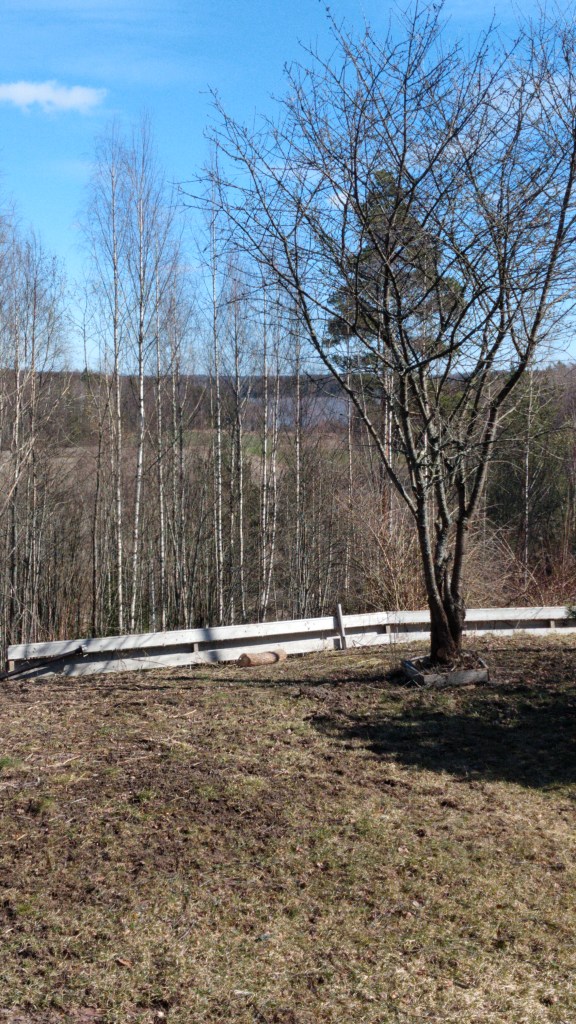
After the snow has melted, often the only greenery to be seen will be the coniferous trees. They do look greener with new leaf growth starting. The deciduous trees start to bud up, the first being the Willows with their furry catkins. These small branches are often broken off and taken to be put in a vase for indoor decoration.
Flattened by months of snow, other vegetation lies looking fairly dead in shades of brown. Gardens, parks and fields all look dull apart from the odd green crop of Autumn sown Rye. The Rye is the only cereal crop that can survive under snow for long periods. A few specks of bright yellow appear along South facing roadsides, these are the flowers of Coltsfoot, which sends up a flower before the leaves appear.
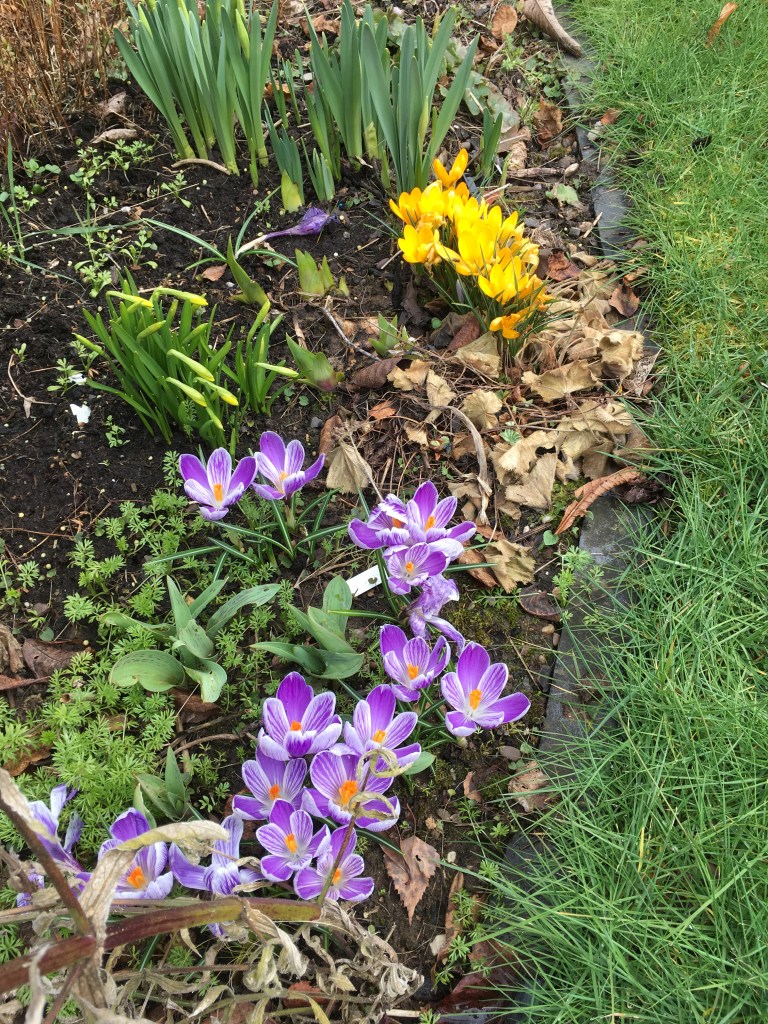
The brown period can last a couple of weeks especially if the weather remains very dry. Eventually green shoots of grass appear and more tree leaves form. Once the month of May starts everything is bursting with greenery and colourful daffodils, tulips and other bulbs. Finland suddenly is so very green. It is such a contrast that we often wonder how is it possible to be so cold and white in the winter.
Easter
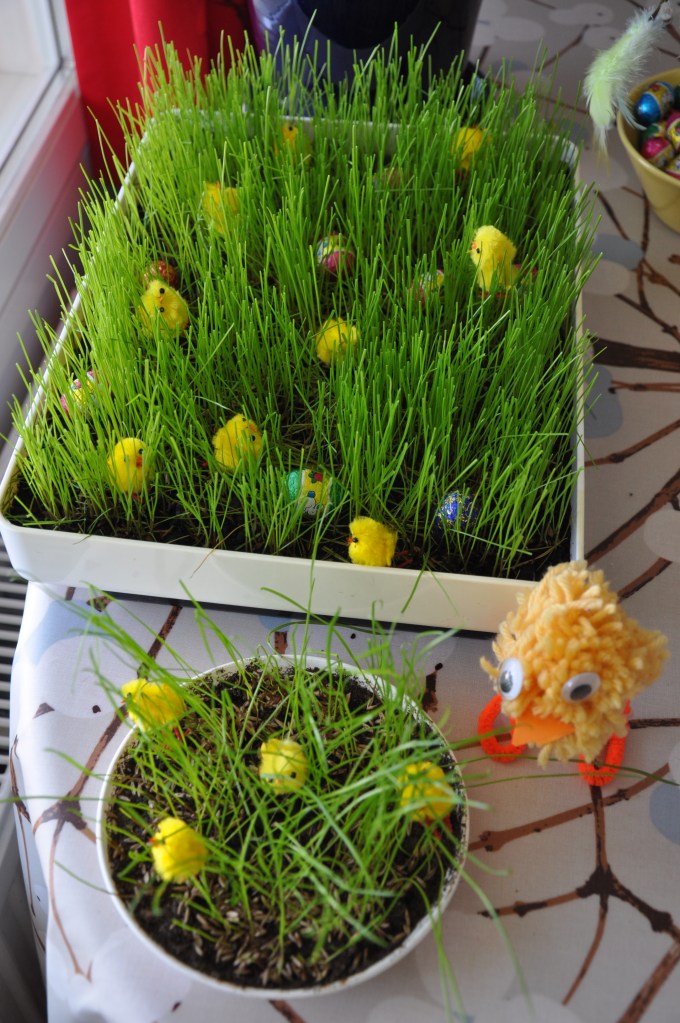
Easter often coincides with the brown period and to make up for the lack of greenery we have the Willow catkins on display. Many people also grow a tray of grass seeds indoors to provide a mini lawn for decoration with mini eggs and yellow fluffy chicks. The signs of new life. Apart form all the usual Easter eggs and chocolate treats Finland has Mignon Eggs. Fazer one of the biggest confectionary companies here uses whole real eggs that have been carefully emptied of their contents for use in the bakery, then cleaned and filled with a delicious milk chocolate and an almond nut nougat filling. The secret to eating them is to place them in the fridge for ten minutes, then tap on a hard surface to crack the shell and it will peel off easily.
Bird Migration
Way back in autumn, we watched the vast flocks of ducks, geese, and Cranes flying high overhead on their Southerly migrations. I wondered if, and hoped, that we will see such numbers returning in the Spring. Most of the Nordic bird population migrates South for the long winter. The forests and lakes suddenly go silent in October. Only the occasional screech of a Jay or the lone haunting cry of the Raven remains. A few other hardy types remain if they have access to food. In the city we have Blackbirds, Great Tits, Blue Tits and occasionally the rarer northern forest birds. Without garden feeders they probably wouldn’t hang around for the bitter cold. The last birds to fly South are the Whopper Swans. A few will stay in the South of Finland if there is open water to feed in, but once that goes in a really cold spell, they too move on.
The swans are some of the first to return in the spring. They are quite noisy and I heard them last weekend. It is amazing how they know when the freeze has finished. When there are snow free fields to feed on and the ice on the lakes has broken up. Eventually they are to be seen all over Finland and perhaps the reason it is the national bird, a welcome sign that summer is coming.
Then fingers crossed, the big flocks of Cranes, and waterfowl will follow soon. Over April the Fieldfares gradually fill the forests with their noisy calls and then Spring has arrived at last. The Fieldfares have come from spending winter in the UK and western Europe. One famous Honey Buzzard has been radio tracked from South Africa to northern Finland, travelling over 10,000 kilometres in 42 days. The distances these big and small birds travel is mindboggling.
The hardened dedicated cross-country skiers will eventually have to admit defeat when the tracks are only solid ice with green gaps. By then, Spring is well underway to make Finland a beautiful lively green place.
 Happy in Finland
Leave a comment